Driv(ing)-By(e): Artist Statement

25°50'57.2"N 80°11'48.9"W
Driv(ing)-By(e), Artist Statement:
Initial Edit: August 2020
Like all big cities, Miami has residents that are extremely wealthy and those that are extremely poor. More than other areas I have lived in, San Francisco and Oakland for example, Miami’s population is more transient with both their wealth and their location. From block to block the feel of the city and the texture of the underlying social currents ebb and wane. In residential areas north of Midtown and between Northwest 2nd Avenue and North Miami Avenue, foot traffic at night seems to loosely flow inversely to the areas of gentrification, which changes from block to block, especially from west to east toward Biscayne Bay and the major areas of affluent and wealthy residents.
But even as many Miami neighborhoods are gentrified, the one thing that doesn’t seem to change is the supporting structures of the neighborhoods. For example, convenience stores, check cashing and payday loan stores, salons and fast food chains still dominate over grocery chains, banks, large retail chains and fine dining. Some may see these establishments as the last great bastion of the “Mom and Pop” American dream, but when out of balance in a poor neighborhood, there is a dramatic and well-studied impact on the community. Convenience stores often lack of fresh fruits and vegetables which don’t compete for floor space or sales units with the frozen burritos and salty snack foods. Lacking access to financial services often leads to utilizing check cashing and payday loan stores and the associated predatory fees and interest rates. Miami, which is hardly a “walkable city”, is famous for its inadequate public bus system. Without the ability to drive to a bank or grocery store or retail center to take advantage of lower fees or more variety and promotional pricing, the cycle of convenience is perpetuated by necessity and absorbs a larger ratio of an individual’s income than for a “non-poor” person with access to institutional resources and mobility.
Unlike metropolitan areas where the majority of poor are white, Miami is financially and racially segregated with large areas of poor - and working poor - Black and Latino populations which by every measure are hit harder than financially similar white populations. Population Health indicators are the canary-in-the-coalmine for the health and welfare of poor populations. The effects are reflected in almost every measure of population health: Heart disease, diabetes, access to primary care, access to prenatal care, gun violence. In all of these categories, Miami ranks among the worst.
Over the last couple of years I have become particularly reflective of what I see as I drive through the neighborhoods between my job at the Jackson / UHealth medical complex to my home, 7 miles away in one of the more affluent Miami suburbs, Miami Shores. This body of work is largely the confluence of experiences such as completing a Master’s degree specializing in Healthcare Administration, the Coronavirus Pandemic, fatherhood, employment in medical IT, watching and discussing the “Black Lives Matter” revolution, my training and experience as a photographer. The process of creating these images from the solitude of my SUV as I drove through theses social landscapes was not lost on me as I was reflecting on the other experiences.
Since March 2020, like many others, I have been working from home and rarely leaving my house. By circumstance, the shooting for this project has been completed. Since then, the areas these images were shot in have been the epicenter of the Black Lives Matter protests in and around Miami. Unfortunately, I have had very little interaction with those protests with the exception of news reports and one Saturday protest that stopped traffic along I-95 while I was traveling home from a photo assignment.
First and foremost, I recognize how fortunate I am to be able to continue working from the safety of my home when so many others, including friends and family, can not. As I am not a racial minority nor working poor, I do recognize my figurative lens is specifically “polarized” to my good fortune. I have not and cannot experience the lives of “others” visible in these images. These images and reflections are not intended to speak for anyone or anything but my own process of understanding my place in the social fabric and my willingness to accept I have ingrained prejudices that need to change.
The subsequent blog postings are a living, changing document of my reactions to the social landscapes I pass through without much interaction, but not without reflection. I expect my thoughts, feelings, reflections and reactions to change over time. To process and internalize my reactions, each image will be the subject of reflection as a blog post. I intend to edit and revise these reflections over time, specifically in response to how my thinking changes. Arrogant? Maybe. But it is also honest; if not a bit ambitious. Even as I write this statement and prepare remarks for the other images, I have found my reaction to the images changing. More to come…
Revisions:
Miami Streets - Driv(ing)-By(e) outtakes
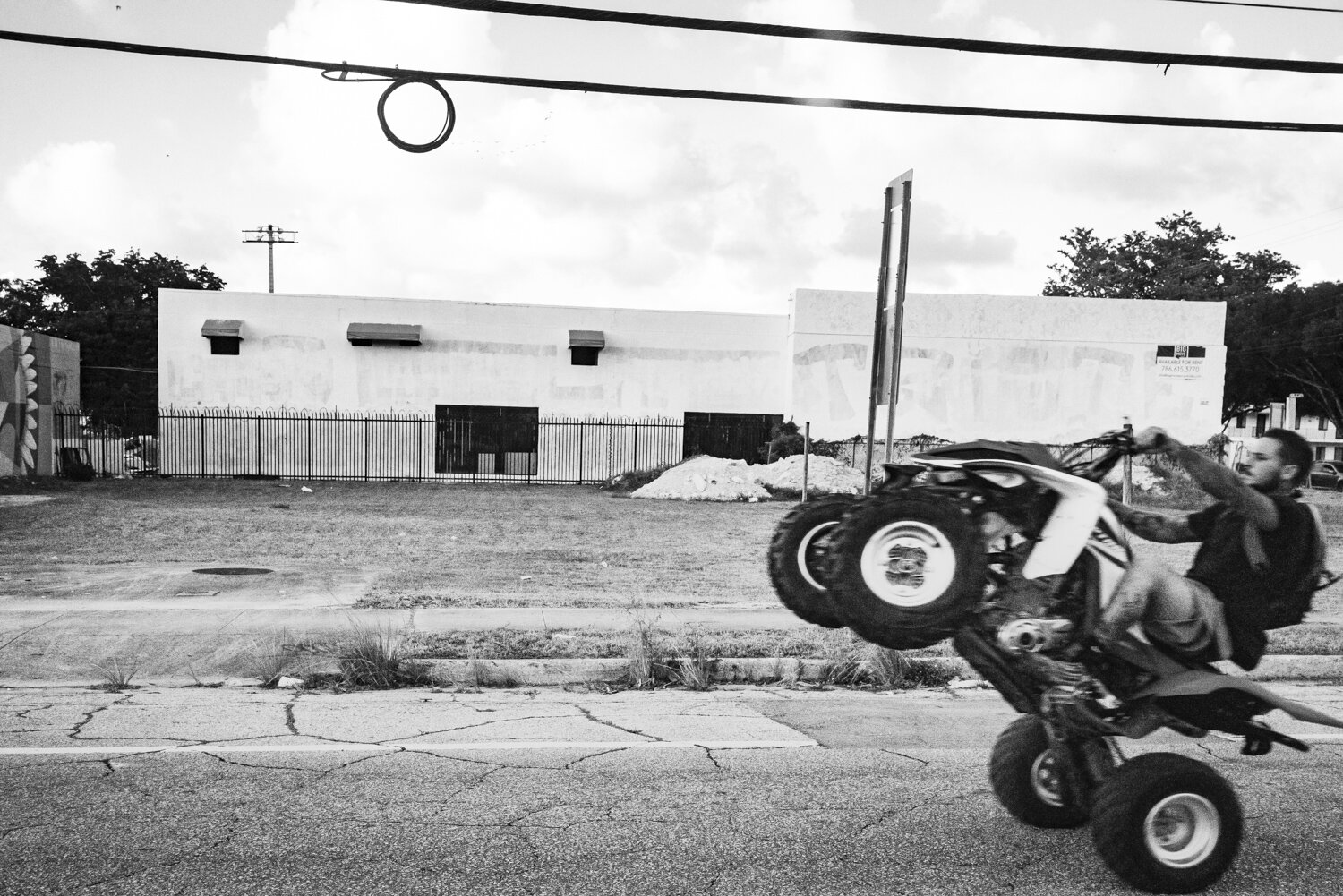

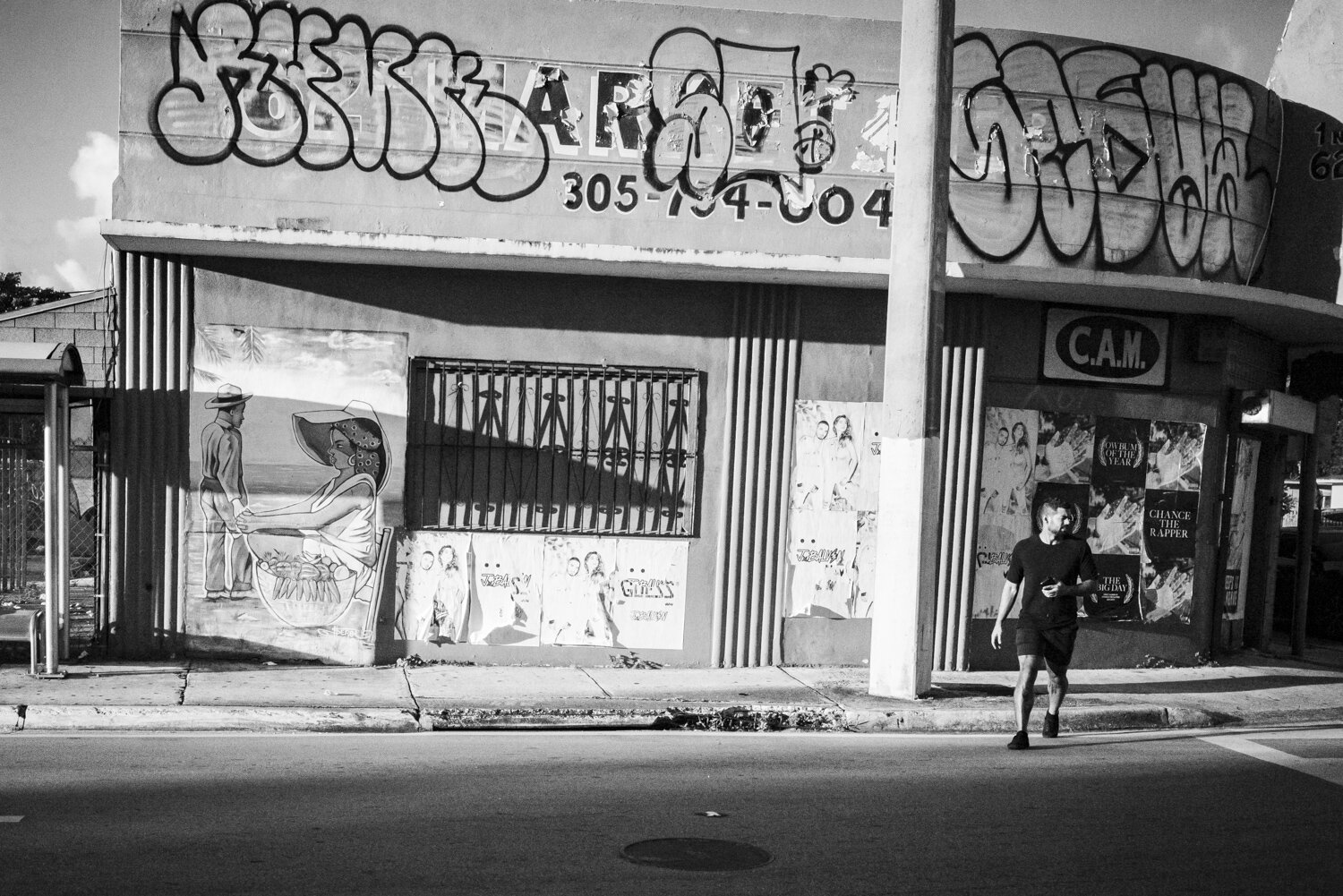
Sometimes the drive home feels more like a game of “Frogger” than a commute.

New Work - B&W Flora



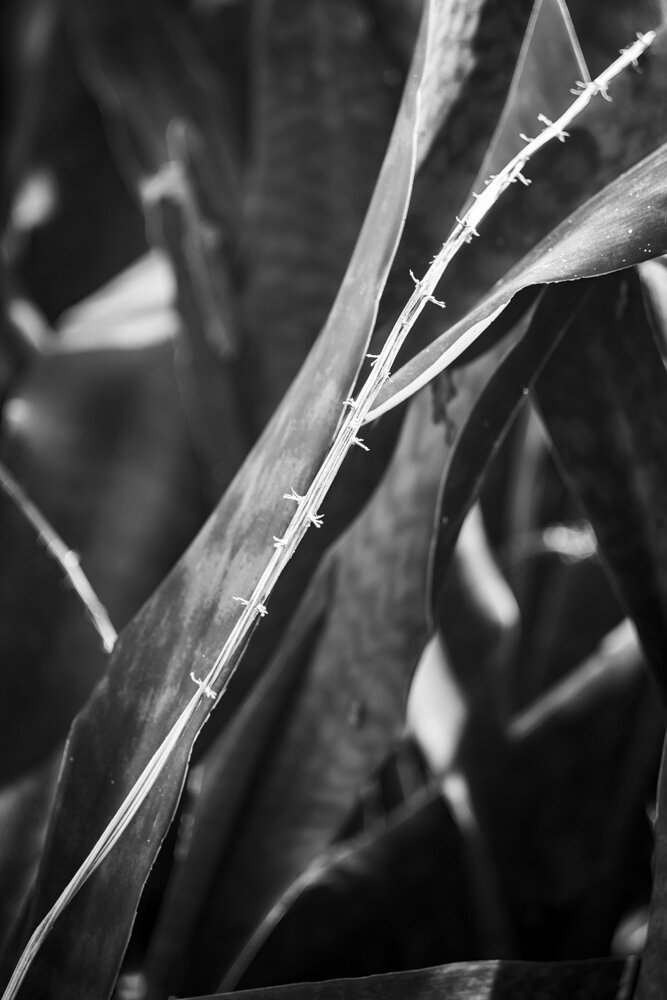
I always enjoy exploring the living world around me through my camera, although it’s often never enough time. Now and again, I am fortunate to explore through an unusual lens such as the A.Schacht Travenar F2.8. I am really taken by the bokeh from the Travenar, especially as adapted to my Sony A7R3.
More to come…



New work - Flora
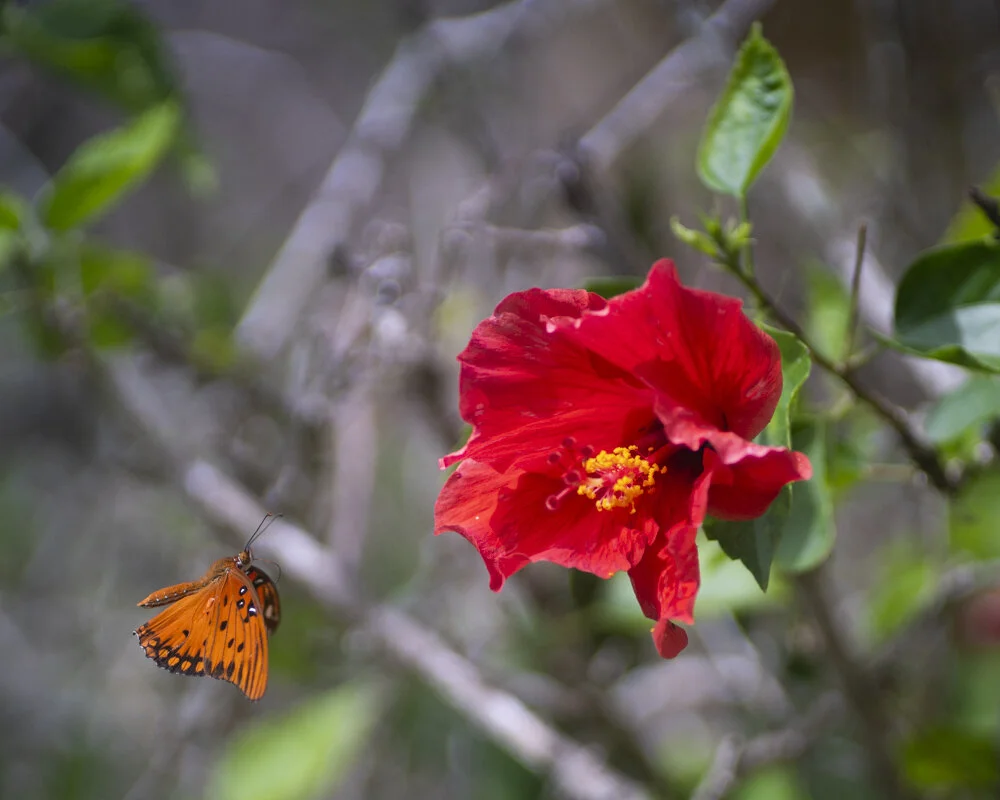
Technology does not make the image, but sometimes it can open up a window of possibilities. Within our digital world, “technology” usually has the connotation of state of the art, or advanced digital technologies. My day-to-day life as a cybersecurity professional at a hospital, specialized in medical imaging technologies, certainly leans heavily on the bleeding edge of applied technologies.
As this work has emerged recently, bleeding edge takes on a different context; as does applied technologies. By adapting several manual focus lens from the 1960’s or so to my Sony A7R3, the bleeding edge of the bokeh wraps the and ensnares the flora creating a window between the heart of the flora and world surround it.
More to come…